
- Understanding Vegetables and Greens
- Most Common Names for Vegetables and Greens in English
- Nutritional Benefits of Legumes and Vegetables
- Tips for Selecting and Buying Fresh Greens and Vegetables
- How to Store and Preserve Your Vegetables and Greens
- Incorporating Legumes and Greens into Your Diet
- Cooking and Recipe Ideas to Enjoy the Best from Vegetables and Greens
- The Environmental and Economic Benefits of Buying Local Vegetables
- Maximizing the Benefits: Selecting the Best Legumes and Greens
- Integrating Legumes and Greens in Meal Planning
- Enhancing Your Kitchen with a Variety of Legumes and Greens
- Discovering Unique Varieties and Their Names
- Maximizing Your Shopping Experience
- Embracing a Healthier Lifestyle through Vegetables and Greens
- Exploring the Culinary Traditions Around the World
- Legumes e Verduras em Inglês: Nomes Mais Usados
- FAQ
- Conclusão
Legumes and Greens in English: The Most Used Names
Whether you are a seasoned cook or just starting to explore a healthier lifestyle, understanding the variety of legumes and greens available is essential. This article is designed to answer real questions users often search for on Google: What are the most common names for vegetables and greens in English? What benefits do they offer? And how can you easily incorporate them into your daily diet? With clear explanations, practical tips, and engaging content, you’ll be encouraged to choose fresh produce that supports both your health and the environment.


Cortador Ralador Fatiador De Legumes Giratório 3 Lâminas Mandoline Moderna Mix


Mix de Vegetais (1kg) Importado

Brasil Frutt Mix de Vegetais 1.010kg

Mix de Vegetais Premium 500gr Importado - X Roots
Understanding Vegetables and Greens
The terms legumes and greens are often used interchangeably, but they can refer to different groups of edible plants. In everyday language, many people refer to vegetables as any edible parts of a plant, including leaves, stems, roots, and even flowers. Legumes, on the other hand, typically refer to the seeds contained within pods, such as beans, peas, and lentils.
In English, the classification sometimes overlaps – for example, green beans are both vegetables and legumes. What is important to note is that whether you’re looking for vegetables to make a salad, a stew, or simply enjoy them raw, their nutritional value and versatility make them a staple in diets around the world.
This article will unravel the most used names for these plants in English, highlight their nutritional benefits, and offer practical advice on sourcing and storing them. By the end, you’ll not only know what to look for at your local market but also feel motivated to include these nutritious foods in your meals.
Most Common Names for Vegetables and Greens in English
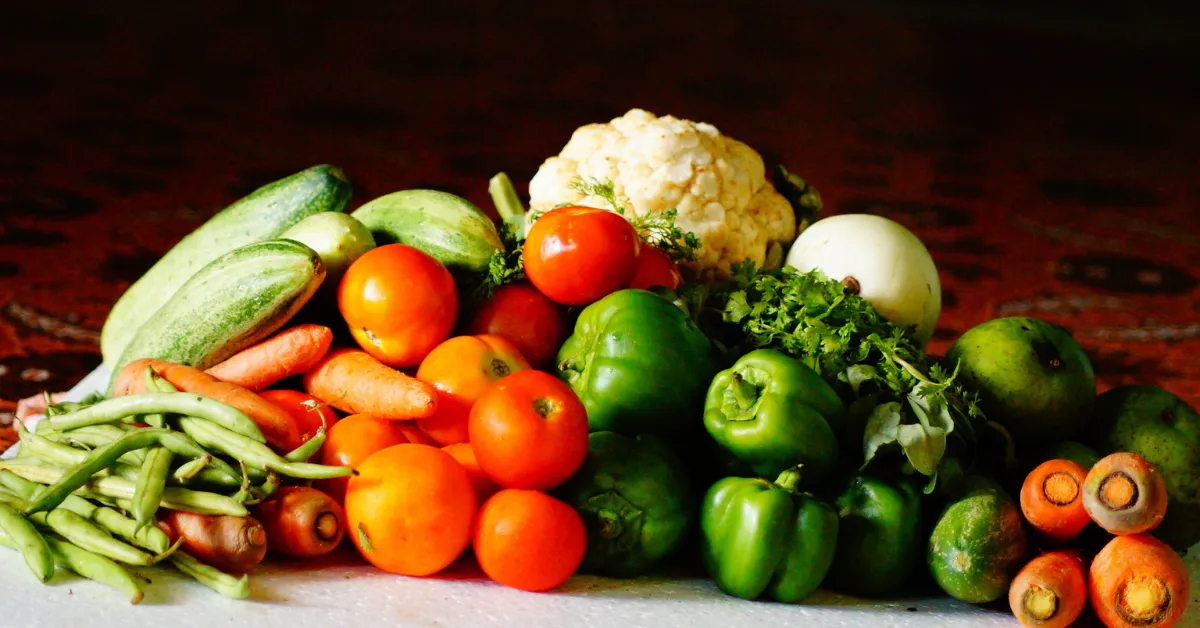
A diverse variety of vegetables and greens can be found in supermarkets, farmers’ markets, and organic stores. Some names have become standards due to their widespread use, while others might vary regionally. Here are some of the most popular names you will encounter:
- Carrot – A root vegetable known for its sweet taste and vibrant color.
- Lettuce – A leafy green most popular in salads and sandwiches.
- Tomato – Although botanically a fruit, it is commonly classified as a vegetable due to its culinary uses.
- Spinach – A nutrient-rich green used in salads, smoothies, and cooked dishes.
- Broccoli – A cruciferous vegetable celebrated for its fiber and vitamin content.
- Cauliflower – Similar to broccoli, this vegetable is often used as a low-carb substitute in many recipes.
- Green Bean – Often considered both a vegetable and a legume, these are widely popular in a variety of cuisines.
- Peas – Including green peas and sugar snap peas, they’re enjoyed both fresh and cooked.
- Cucumber – A refreshing vegetable, ideal for salads and snacks.
- Bell Pepper – Known for their colorful appearance and sweet taste.
- Zucchini – A summer squash that is versatile in many recipes.
- Aubergine (Eggplant) – A vegetable that adds texture and flavor to many international cuisines.
These names are just a starting point. When browsing stores or reading recipes, you may encounter variations or regional names. It is always beneficial to familiarize yourself with both the common and scientific names of these vegetables to fully appreciate their diversity.
Nutritional Benefits of Legumes and Vegetables
One of the greatest advantages of including legumes and greens in your diet is their exceptional nutritional profile. These vegetables are packed with vitamins, minerals, antioxidants, and fiber, which are essential for maintaining a healthy diet.
Here are some key nutritional benefits:
- Vitamins and Minerals: Vegetables like spinach, broccoli, and bell peppers are rich in vitamins A, C, and K, as well as folates and minerals like potassium and magnesium.
- Fiber: A diet high in fiber, which is present in most vegetables, aids in digestion, helps control blood sugar levels, and promotes a feeling of fullness.
- Low Calories: Many greens and veggies are low in calories, making them ideal for weight management.
- Antioxidants: Antioxidants help protect the body from free radicals, reducing the risk of chronic diseases.
- Heart Health: The combination of nutrients found in vegetables can improve heart health by lowering cholesterol and reducing blood pressure.
By incorporating a variety of vegetables in your meals, you not only enhance the taste and appearance of your food but also give your body the fuel it needs to operate at its best. They are indispensable components of diets aimed at overall wellness and longevity.
Tips for Selecting and Buying Fresh Greens and Vegetables
When you are ready to make a purchase, keeping a few practical tips in mind can help you choose the best produce available:
- Seasonality: Buying seasonal vegetables ensures that you receive produce at its freshest and most flavorful stage. Seasonal availability often also means better prices.
- Color and Texture: Look for vibrant colors and firm textures. Dull appearance or wilted leaves can be signs of aging or poor quality.
- Origin: Whenever possible, opt for locally sourced vegetables. Buying local not only supports your community and reduces environmental impact, but it also means fresher produce.
- Organic Options: If avoiding pesticides and chemicals is a priority, select organic vegetables. Look for organic certifications displayed on packaging or signage at the market.
- Seasonal variety: Rotate your vegetable choices to maximize nutrient intake and enjoy a broader range of flavors and textures.
Using these guidelines, you can make informed decisions while choosing quality produce. These tips are particularly helpful if you are visiting a farmers’ market or shopping in a grocery store where variety matters.
How to Store and Preserve Your Vegetables and Greens
Proper storage is key to maintaining the freshness and nutritional value of vegetables. With a few simple strategies, you can prolong the shelf life of your produce, reducing waste and saving money:
Storage Tips for Different Types of Vegetables
Different vegetables require different storage methods. Consider the following suggestions:
- Leafy Greens: Store in the refrigerator in a container lined with paper towels to absorb excess moisture. Avoid washing them until just before use to prevent spoilage.
- Root Vegetables: Items like carrots, beets, and radishes are best kept in the crisper drawer of your refrigerator. If you have loose soil residue, a gentle rinse just before use is ideal.
- Cruciferous Vegetables: Broccoli and cauliflower should be kept unwashed in perforated plastic bags to maintain humidity without trapping too much moisture.
- Tomatoes and Cucumbers: While tomatoes benefit from being stored at room temperature to preserve flavor, cucumbers should be placed in the refrigerator to keep them crisp.
By understanding the specific needs of your vegetables, you can ensure that each ingredient remains in optimum condition until it’s time to cook.
Incorporating Legumes and Greens into Your Diet
Learning the most used names for vegetables and greens is just the beginning; knowing how to incorporate them into your meals can transform your approach to cooking and eating healthy. There are countless ways to include these nutritious foods in your daily diet.
Here are some ideas that can help you start integrating more vegetables into your routine:
- Salads: Combine different leafy greens like lettuce, spinach, and arugula with colorful vegetables such as tomatoes, bell peppers, and cucumbers.
- Stir-fries: Make quick and healthy stir-fries using a mix of vegetables like broccoli, green beans, and carrots, seasoned with garlic, ginger, and soy sauce.
- Soups and Stews: Enhance the richness of soups with vegetables like carrots, peas, and celery. Seasonal soups can warm you up during colder months.
- Snacks: Keep raw vegetables like carrots and cucumbers sliced for a convenient and crunchy snack. Pair them with healthy dips such as hummus or tzatziki.
- Smoothies: Blend leafy greens like spinach with fruits and a liquid base to make refreshing and nutrient-packed smoothies.
Experimenting with different recipes can transform your meals into colorful, balanced dishes that nourish both body and mind. By planning your meals around seasonal produce, you not only boost your nutritional intake but also enjoy a range of flavors that keep dining exciting.
Cooking and Recipe Ideas to Enjoy the Best from Vegetables and Greens
Integrating legumes and greens into your cooking routine need not be complicated. Whether you prefer light salads or hearty stews, there are numerous recipes available to suit any palate. By exploring different culinary techniques, you can elevate everyday vegetables into extraordinary dishes.
Cortador Ralador Fatiador De Legumes Giratório 3 Lâminas Mandoline Moderna Mix
Mix de Vegetais (1kg) Importado
Brasil Frutt Mix de Vegetais 1.010kg
Mix de Vegetais Premium 500gr Importado - X Roots
Simple Recipes to Get Started
If you’re new to cooking with vegetables, starting with simple recipes is a great way to build your confidence in the kitchen. Try these ideas:
- Mixed Vegetable Salad: Toss together a variety of greens, such as lettuce, spinach, and arugula, with finely sliced cucumbers, tomatoes, and bell peppers. Drizzle a light dressing of olive oil, lemon juice, salt, and pepper to enhance the flavors.
- Vegetable Stir-fry: Sauté broccoli, carrots, and green beans in a pan with a little olive oil, garlic, and ginger. Add a splash of low-sodium soy sauce and serve over brown rice or quinoa for a quick meal.
- Hearty Vegetable Soup: Prepare a warming soup with diced tomatoes, carrots, spinach, and beans. Season with herbs like basil or thyme, and enjoy it as a lunch or dinner option that nourishes from within.
- Roasted Root Vegetables: Cube carrots, parsnips, and sweet potatoes, then toss them with olive oil, rosemary, salt, and pepper. Roast in the oven until tender and slightly caramelized for a delightful side dish.
These recipes are easy to modify. Feel free to experiment with the vegetables you enjoy most or those that are in season. The goal is to create a balanced and delicious meal that emphasizes the natural flavors and nutritional benefits of each ingredient.
Innovative Ways to Mix in New Flavors
As you grow accustomed to using vegetables and greens in your diet, consider exploring new flavor combinations. Try blending textures and tastes to create unique dishes that keep your meals exciting:
- Vegetable Pasta: Incorporate zucchini or spinach into your pasta dishes. Use spiralized vegetables as a low-carb alternative to traditional pasta.
- Stuffed Vegetables: Hollow out bell peppers or tomatoes and fill them with a mixture of quinoa, black beans, corn, and spices for a flavorful, nutritious dish.
- Grilled Vegetable Medley: Grill a selection of vegetables like eggplant, asparagus, and red onions, and serve with a drizzle of balsamic glaze for a rich, smoky flavor.
- Vegetable Wraps and Rolls: Wrap fresh greens, shredded carrots, and sprouts in rice paper or whole-grain tortillas, and pair with a tangy dipping sauce for a light snack or meal.
By experimenting with these innovative ideas, you will find that vegetables and greens can easily become the centerpiece of a meal rather than a side dish. Their vibrant colors, diverse textures, and natural flavors can transform any recipe into a culinary delight.
The Environmental and Economic Benefits of Buying Local Vegetables
The benefits of consuming fresh vegetables extend beyond personal health. When you choose to purchase locally grown produce, you contribute to environmental sustainability and support your local economy. This commitment makes a meaningful difference in several ways:
- Reduced Carbon Footprint: Procuring local vegetables reduces the distance food travels, thereby cutting down on greenhouse gas emissions and helping to preserve our environment.
- Community Support: Purchasing from local farmers and markets helps sustain local agriculture. This not only supports small businesses but also encourages the growth of community-based farming practices.
- Seasonal Variety: Local markets often offer a diverse range of vegetables that are in season. Embracing seasonal produce not only ensures freshness but also reduces the overall cost associated with imported, out-of-season items.
- Economic Savings: Locally grown vegetables are often more reasonably priced. Farmers eliminate many of the costs associated with long-distance shipping and storage, and those savings can sometimes be passed on to consumers.
Buying locally and choosing seasonal vegetables directly influences the quality of food on our plates and the sustainability of food systems at large. It is an investment in community health, environmental responsibility, and economic vitality.
Maximizing the Benefits: Selecting the Best Legumes and Greens
Before making a purchase, it is important to know what to look for in top-quality produce. Below are some detailed tips to ensure you’re getting the best of what nature has to offer:
- Check for Freshness: The leaves of greens should be crisp and vibrant, devoid of wilting or discoloration. For root vegetables, firmness is key to ensuring they are fresh and full of flavor.
- Avoid Bruises and Spots: Even minor blemishes can be a sign of older produce. Selecting produce that looks intact can make a significant difference in taste and nutritional value.
- Smell and Taste: For vegetables like tomatoes, a soft fragrance and slight give in texture can indicate ripeness and natural sweetness. Trust your senses when evaluating quality.
- Organic vs. Conventional: Deciding between organic and conventional vegetables depends on personal preferences and budget. Organic options reduce exposure to pesticides, while conventionally grown vegetables may be more readily available and affordable. Look for certified labels to make an informed decision.
Armed with these selection techniques, you can shop with confidence. A well-informed consumer not only enjoys better taste and nutrition but also contributes to a more sustainable and supportive food system.
Integrating Legumes and Greens in Meal Planning
Successful meal planning with vegetables and legumes involves balancing flavor, texture, and nutritional value. Consider dedicating one meal of your day to a fully plant-based dish to explore new ingredients and recipes. Here are some actionable tips to help you incorporate more legumes and greens:
- Plan Your Week: Dedicate certain days to trying new vegetable recipes, whether it’s a stirring vegetable curry, a nutrient-packed salad, or a hearty vegetable stew.
- Create a Shopping List: Identify the vegetables you plan to use during the week. This way, you can ensure that you have a variety of choices that cater to different meals.
- Pre-prep Ingredients: Wash, cut, and store ingredients as soon as you get home from the market. This small effort makes it easier to incorporate vegetables into your cooking routine without long preparation times during busy days.
- Experiment with Global Cuisines: Many international cuisines celebrate the versatility of vegetables. Asian recipes often emphasize stir-fries and pickled vegetables, while Mediterranean diets incorporate olives, tomatoes, and leafy greens. A fusion of flavors can spark your creativity in the kitchen.
With mindful meal planning, you not only meet your nutritional needs but also enjoy a diverse culinary experience that revitalizes your daily routine.
Enhancing Your Kitchen with a Variety of Legumes and Greens
The abundance of legumes and greens in the market provides endless opportunities for culinary exploration. Each type of vegetable brings its own set of vitamins, minerals, textures, and flavors. Here are some additional insights into how these ingredients can enhance your kitchen:
- Flavor Profiles: Each vegetable has a unique flavor that, when combined thoughtfully, can create dishes with great depth and character. Experiment with bitterness from kale, sweetness from red bell peppers, and earthiness from beets to create balanced meals.
- Texture and Color: A colorful plate is not only visually appealing but also nutritionally diverse. Use contrasting colors and textures to make your meals more exciting and inviting.
- Easy Integration: Many vegetables can be effortlessly incorporated into traditional recipes. For example, adding spinach to your morning omelet or tossing some arugula on a creamy pasta dish can elevate familiar recipes with minimal effort.
- Versatility: Vegetables like carrots, zucchini, and eggplants are highly versatile. They can be grilled, roasted, steamed, or even eaten raw, depending on your mood and the recipe.
By embracing this variety, you not only diversify your diet but also ensure that you receive a wide range of nutrients essential for daily health and vitality.
Discovering Unique Varieties and Their Names
The world of vegetables is vast, and not all varieties are as well-known as the standard options mentioned earlier. Delving into unique or heirloom varieties can broaden your culinary horizons. Some lesser-known examples include:
- Brussels Sprouts: These tiny cabbages are a member of the cruciferous family. When roasted with a drizzle of olive oil and sea salt, they transform into a delicious side dish.
- Swiss Chard: Known for its colorful stems and dark green leaves, Swiss chard is both visually appealing and nutrient-dense, making it a favorite among those who appreciate artisanal dishes.
- Collard Greens: A staple in Southern cuisine, collard greens are known for their robust flavor and high fiber content.
- Radicchio: With its distinct bitter taste and vibrant burgundy color, radicchio adds a unique twist to salads and gourmet dishes.
- Arugula: This peppery green brings a delightful spicy flavor to any salad, sandwich, or pizza topping.
Exploring these unique varieties not only diversifies your diet but also deepens your appreciation for the many flavors and textures that vegetables offer. As you discover new names and varieties, your culinary repertoire expands, allowing you to create bold and exciting dishes at home.
Maximizing Your Shopping Experience
Shopping for vegetables and legumes can become a delightful experience when you approach it with knowledge and confidence. Here are some final tips to enhance your shopping:
- Visit Farmers’ Markets: Local markets often provide the freshest produce. The direct exchange with farmers can also offer insights into the best picks of the season and advice on how to prepare or store the vegetables.
- Compare Prices: Prices may vary between supermarkets and local shops. Don’t hesitate to compare quality and cost to get the best value.
- Seasonal Subscriptions: Consider joining a community-supported agriculture (CSA) program or subscribing to a local produce box. This service ensures you receive a curated selection of seasonal vegetables, often offering exclusive varieties that can expand your culinary horizons.
- Plan Ahead: Use digital apps or traditional shopping lists to organize your grocery shopping. This ensures that you remember to pick up a variety of vegetables that will bring color, flavor, and nutrition to your diet.
These practices not only improve your culinary experiences but also contribute to creating a sustainable, environmentally friendly food ecosystem.
Embracing a Healthier Lifestyle through Vegetables and Greens
There is much more to vegetables and legumes than just their names. Their combination of taste, nutrition, and versatility makes them a cornerstone of a healthy and dynamic diet. By familiarizing yourself with the most used names in English and understanding their benefits, you pave the way for a lifestyle that values both health and sustainability.
Every small step, from choosing fresh produce to exploring innovative recipes, contributes to a positive change in both your personal life and the broader community. With vitamins, minerals, and antioxidants aplenty, these foods are truly nature’s own remedy, offering endless possibilities for delicious, healthy, and satisfying meals.
Remember, every time you choose vegetables and greens, you invest in your wellbeing. Whether you are enjoying the crunchy freshness of a salad or the comforting warmth of a vegetable stew, you are making a choice that supports your health, your community, and the environment.
Exploring the Culinary Traditions Around the World
Apart from the nutritional and environmental benefits, vegetables and legumes play a crucial role in global culinary traditions. From the vibrant flavors of Mediterranean cuisine to the umami-rich preparations in East Asian dishes, these ingredients are cherished worldwide. By exploring international recipes, you can appreciate the global significance of these versatile foods.
This exploration not only enriches your culinary repertoire but also fosters a deeper understanding of how different cultures celebrate the natural bounty of vegetables. The familiar names may be shared across borders, yet each culture has its own unique take on how to prepare and enjoy them. Embracing these diverse traditions can add new dimensions to your cooking, whether you’re making a rustic Italian pasta with tomatoes and basil or a spicy Indian lentil dal flavored with turmeric and cumin.
In summary, understanding the most common names of legumes and greens in English is more than a linguistic exercise—it is about connecting with a world of flavor, nutrition, and vibrant cultural traditions. This knowledge empowers you to make healthy choices, support sustainable practices, and enjoy a rich tapestry of culinary delights every day.
Links para:
Legumes e verduras em inglês: nomes mais usados
Veja dicas de onde encontrar os melhores prudutos em nossa categoria: Onde Comprar
Veja nossa categoria com dicas de jardinagens
Links relacionados:
Legumes e Verduras em Inglês: Nomes Mais Usados
Aprender os nomes de legumes e verduras em inglês é fundamental para quem busca aprimorar o idioma e ampliar seus horizontes culturais. Além de facilitar a comunicação em ambientes internacionais, esse conhecimento pode transformar suas experiências na cozinha, tornando a hora das refeições ainda mais interessante e divertida. Ao conhecer palavras como tomato (tomate), carrot (cenoura) e lettuce (alface), você tem a oportunidade de explorar receitas variadas e adquirir produtos de alta qualidade. Essa familiaridade com os termos também ajuda a identificar melhor os ingredientes durante compras e visitas a feiras e mercados internacionais. Confira abaixo uma lista com alguns exemplos essenciais:
- Tomato – Tomate
- Carrot – Cenoura
- Lettuce – Alface
- Broccoli – Brócolis
- Spinach – Espinafre
- Potato – Batata
- Pepper – Pimentão
FAQ
Qual é o nome em inglês para cenoura?
A palavra em inglês para cenoura é carrot. É um termo amplamente usado em diversas receitas e cardápios internacionais.
Como se diz alface em inglês?
Em inglês, alface é chamado de lettuce, um ingrediente comum em saladas e sanduíches.
Qual o termo correto para tomate em inglês?
O termo em inglês para tomate é tomato, utilizado em várias receitas e descrições de pratos.
Como se escreve brócolis em inglês?
Brócolis em inglês é escrito como broccoli, sendo popular em preparações saudáveis e saladas.
Qual é o nome em inglês para espinafre?
Espinafre em inglês é conhecido como spinach, frequentemente utilizado em omeletes e sopas.
Como se diz pimentão na língua inglesa?
O termo utilizado para pimentão em inglês é pepper, abrangendo diversas variedades dessa hortaliça.
Qual é o nome comum para batata em inglês?
A batata é chamada de potato em inglês, sendo um dos alimentos mais populares e versáteis.
Conclusão
Nesta conclusão, abordamos como o conhecimento dos nomes de legumes e verduras em inglês pode ampliar suas oportunidades tanto no aprendizado da língua quanto nas experiências gastronômicas. Compreender termos como tomato (tomate), carrot (cenoura) e lettuce (alface) não apenas facilita a comunicação em ambientes internacionais mas também aumenta o interesse por ingredientes saudáveis e saborosos. Ao conectar o vocabulário com a cultura alimentar, é possível perceber como a mistura entre educação e culinária pode enriquecer o dia a dia e promover escolhas alimentares mais conscientes. A variedade de legumes e verduras traduz a diversidade cultural e enfatiza a importância de ingredientes frescos na dieta. Este conhecimento contribui para a valorização dos produtos naturais, incentivando as pessoas a explorarem novas receitas e sabores enquanto praticam o idioma em contextos reais. Assim, se você deseja melhorar seu inglês e ainda apreciar uma alimentação rica e diversificada, investir no aprendizado desses nomes se torna uma ferramenta eficaz. Aproveite a praticidade, a segurança e a qualidade dos produtos disponibilizados neste espaço. Desfrute de uma jornada de descobertas que une saúde, cultura e educação em suas atividades diárias. Essa experiência enriquece nossa visão, reforça fortemente a motivação e incentiva escolhas saudáveis para um futuro sólido.